
Naturezones Wildlife Education Trust
Isle of Wight
Land of Little Things
Just a few of the numerous creatures that inhabit the
English meadow, photographed and filmed by Naturezones
| Click on image for larger version | Home |
BEETLES
 Soldier Beetle 9-13mm |
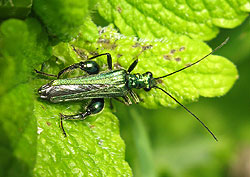 Oedemera nobilis 8-10mm |
 7-spot Ladybird 5-8mm |
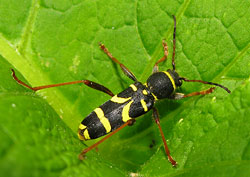 Wasp Beetle 7-15mm |
 Chrysolina banksi 6-12mm |
 Rutpela maculata 15-20mm |
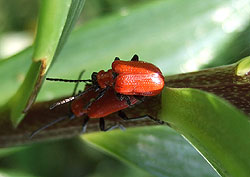 Lily Beetle 6-8mm |
 Strangalia melanura 6-10mm |
 Liophloeus tessulatus 10-13mm |
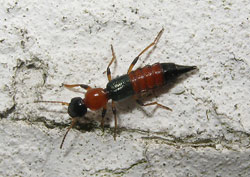 Paederus littoralis 7-9mm |
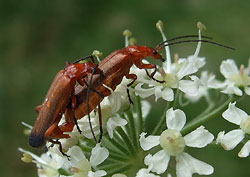 Rhagonycha fulva 7-10mm |
 Cockchafer 20-30mm |
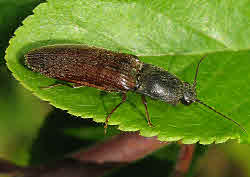 Athous bicolor 8-10mm |
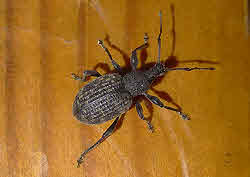 Vine Weevil 8-12mm |
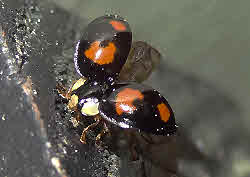 Harlequin Ladybird 7-8mm |
 Pollen Beetles 2-3mm |
 Loricera pilicornis 6-9mm |
 Silpha tristis 13-17mm |
 Ceutorhynchus alliariae 3-5mm |
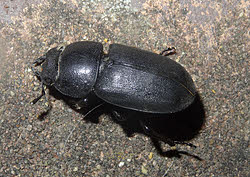 Mealworm Beetle 10-15mm |
 Cantharis rustica 11-14mm |
BUGS
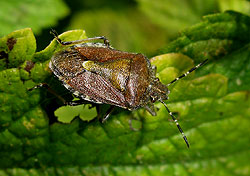 Sloe Bug 10-12mm |
 Green Shield Bug 12-14mm |
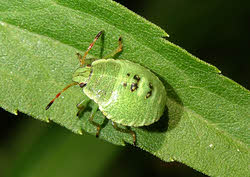 Green Shield Bug nymph 5-8mm |
 Common Green Capsid 7mm |
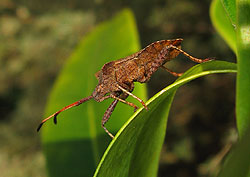 Dock Bug 12-15mm |
 Cercopis vulnerata 9-11mm |
 Bronze Shield Bug 5-8mm |
 Meadow Plant Bug 7-10mm |
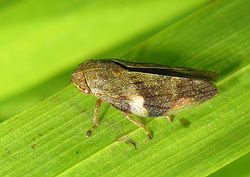 Common Froghopper 5-7mm |
 Marsh Damsel Bug 7-9mm |
 Deraeocoris ruber 6-8mm |
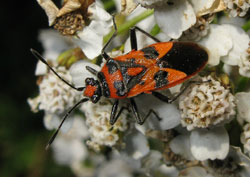 Corizus hyoscyami 9-12mm |
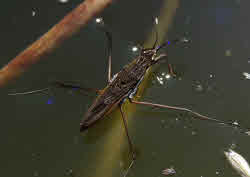 Pond Skater 8-10mm |
 Stenotus binotatus 6-7mm |
 Vernal Shield Bug (first ever IW sighting) 9-10mm |
 Oncotylus viridiflavus 5-6mm |
 Eupteryx melissae 3mm |
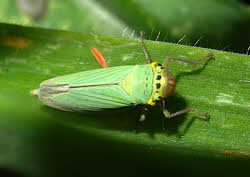 Cicadella viridis 6-8mm |
 Liocoris tripustulatus 4-5mm |
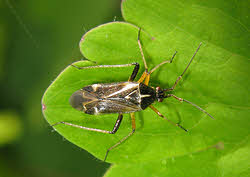 Harpocera thoracica 5-7mm |
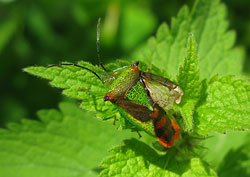 Hawthorn Shield Bug 9-10mm |
 Tree Damsel Bug 8-12mm |
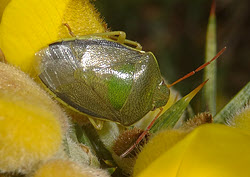 Gorse Shieldbug 10-13mm |
 Issus coleoptratus 8-9mm |
FLIES and LACEWINGS
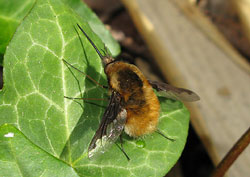 Bee-fly 10-12mm |
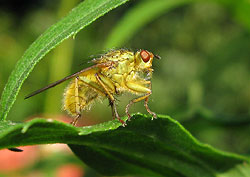 Dung-fly 10mm |
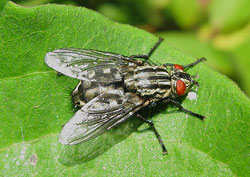 Flesh-fly 10-15mm |
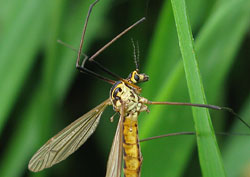 Spotted Crane-fly 15-20mm |
 Snipe-fly 10-12mm |
 Ptychoptera contaminata 9-11mm |
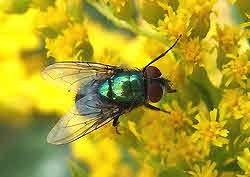 Greenbottle 8-10mm |
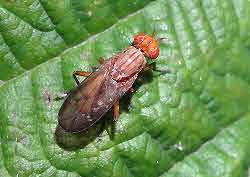 Unidentified - |
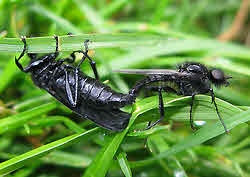 St Mark's-fly 10-15mm |
 Scorpion Fly (Order Mecoptera) 10-15mm |
 Lacewing: Chrysopa pallens 15-20mm |
 Lacewing: Chrysopa perla 14-16mm |
 Chloromyia formosa 9mm |
 Nowickia ferox 10-12mm |
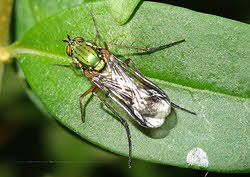 Poecilobothrus nobilitatus 4-9mm |
HOVERFLIES
 Episyrphus balteatus 10-15mm |
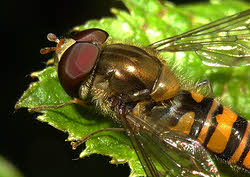 Episyrphus balteatus - |
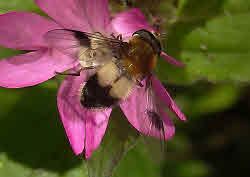 Leucozona lucorum 12-15mm |
 Platycheirus sp. 8-9mm |
 Chrysotoxum bicinctum 9-12mm |
 Eristalis pertinax 11-17mm |
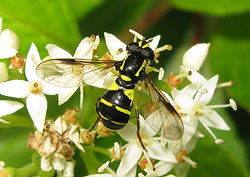 Xanthogramma pedissequum 10mm |
 Helophilus pendulus 12mm |
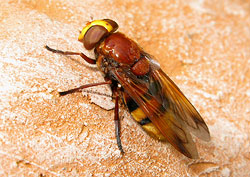 Volucella zonaria 15-20mm |
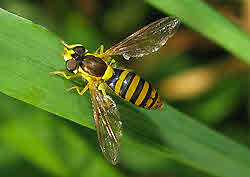 Sphaerophoria Scripta 10-12mm |
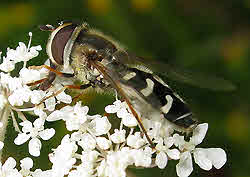 Scaeva pyrastri 9-12mm |
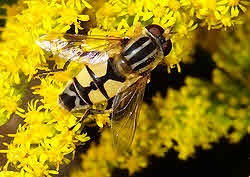 Helophilus trivittatus 11-17mm |
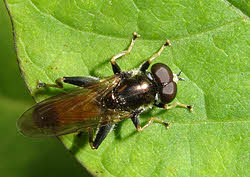 Topidia scita 4-6mm |
 Chrysogaster solstitialis 6-9mm |
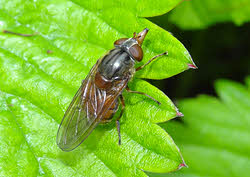 Rhingia campestris 11-13mm |
 Helophilus pendulus 11-13mm |
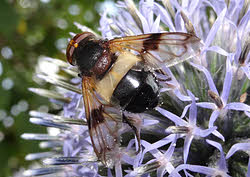 Volucella pellucens 14-16mm |
 Myatheropa florae 10-15mm |
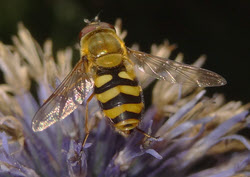 Syrphus vitripennis 7-10mm |
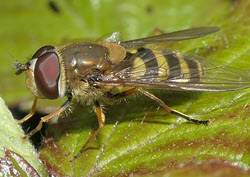 Epistrophe grossulariae 9-12mm |
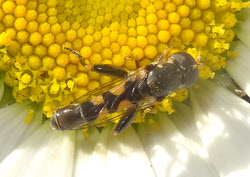 Neoascia obliqua 4-6mm |
BEES, WASPS AND SAWFLIES
 Bombus lucorum 10-16mm |
 Andrena haemorrhoa 10-12mm |
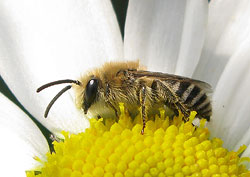 Colletes species 10-12mm |
 Unidentified bee - |
 Andrena bee 10-12mm |
 Bombus terrestris 10-16mm |
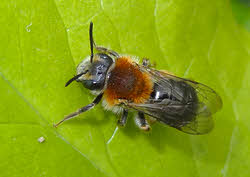 Early Mining Bee 8-11mm |
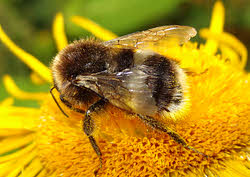 Psithyrus barbutellus 15-19mm |
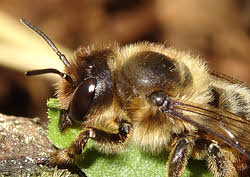 Leaf-cutter bee 10-13mm |
 Queen Dolichovespula media 18-22mm |
 Tenthredo scrophulariae 10-15mm |
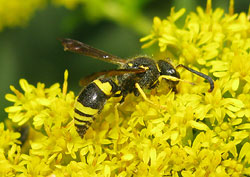 Ancistrocerus nigricornis 7-13mm |
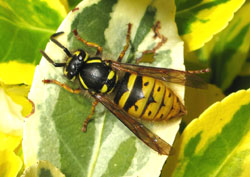 Vespula germanica 12-20mm |
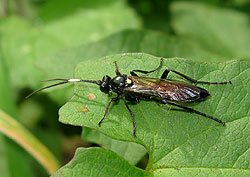 Unidentified Ichneumon 15-18mm |
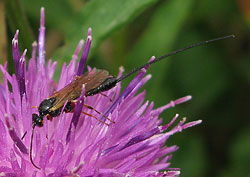 Pimpla hypochondriaca 20-25mm |
 Horntail 25-40mm |
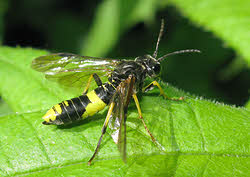 Tenthredo celtica 9-11mm |
 Tenthredo mesomela 10-13mm |
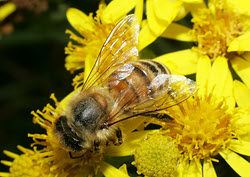 Honey bee 12-15mm |
 Mason bee 6-11mm |
 Andrena Mining bee 8-10mm |
DRAGONFLIES and DAMSELFLIES
 Southern Hawker 70mm |
 Common Darter 40mm |
 Common Darter - |
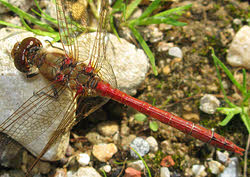 Ruddy Darter 35mm |
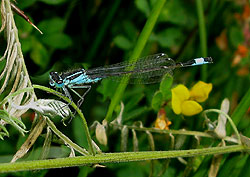 Blue-tailed Damselfly 30mm |
 Common Blue Damselfly (female) 32mm |
 Southern Damselfly 30mm |
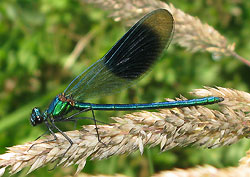 Banded Demoiselle (male) 45mm |
 Large Red Damselfly 35mm |
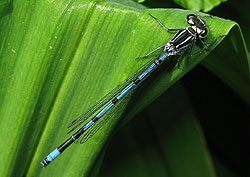 Azure Damselfly 30-35mm |
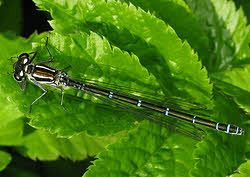 Azure Damselfly (newly emerged) - |
 Broad-bodied Chaser (male) 40-45mm |
 Broad-bodied Chaser (female) 40-45mm |
 Gold-ringed Dragonfly 55-65mm |
 Beautiful Demoiselle (female) 45mm |
GRASSHOPPERS and CRICKETS
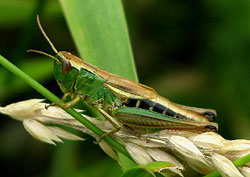 Meadow Grasshopper 10-20mm |
 nymph grasshopper - |
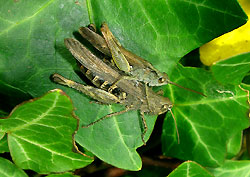 Field Grasshopper 15-25mm |
 Slender Groundhopper 9-14mm |
 Roesel's Bush-cricket 12-25mm |
 Unidentified Grasshopper - |
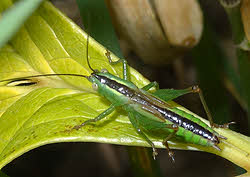 Short-winged Conehead 11-18mm |
 Oak Bush-cricket 7-12mm |
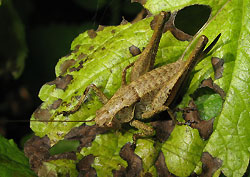 Dark Bush-cricket 13-20mm |
 Long-winged Conehead 15-22mm |
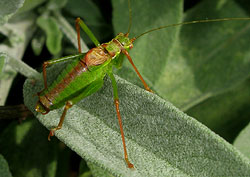 Speckled Bush-cricket (male) 10-20mm |
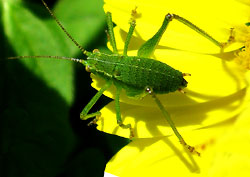 Speckled Bush-cricket (female) 10-20mm |
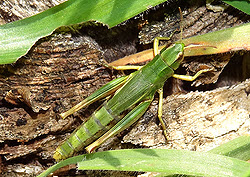 Common Green Grasshopper 15-22mm |
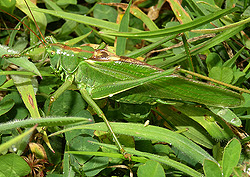 Great Green Bush-cricket 40-55mm |
 Great Green Bush-cricket - |
SPIDERS
 Nursery Web Spider body 12-17mm |
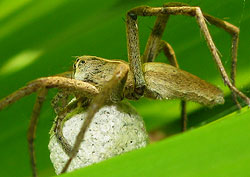 Nursery Web Spider with egg sac - |
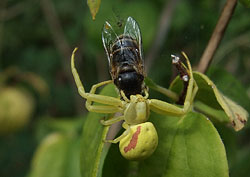 Goldenrod Crab Spider body 8-12mm |
 Long-jawed Orb Weaver body 10-15mm |
 Garden Spider body 8-13mm |
 Cucumber Spider body 4-8mm |
 Woodlouse Spider body 9-15mm |
 Running Crab Spider body 8-12mm |
 Zebra Spider body 5-7mm |
 Wolf Spider with egg sac body 12-20mm |
 Wolf Spider with spiderlings - |
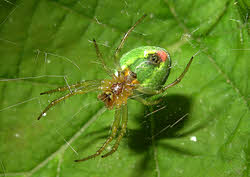 Green Orb-weaver body 5-7mm |
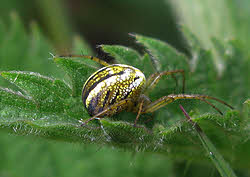 Neat Orb-weaver body 4-6mm |
 Pardosa lugubris body 4-6mm |
 Harvestman (Order Opiliones) body 4-7mm |
MOTHS
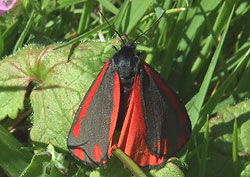 The Cinnabar forewing 20mm |
 Rush Veneer forewing 11-15mm |
 Agriphila tristella forewing 12-15mm |
 White Ermine forewing 17-24mm |
 Gillmeria pallidactyla forewing 12-15mm |
 Silver Y forewing 12-20mm |
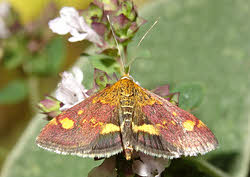 Pyrausta aurata forewing 7-10mm |
 6-spot Burnet forewing 15-20mm |
 Adela reaumurella forewing 6-8mm |
 Wood Carpet forewing 13-16mm |
 Jersey Tiger forewing 28-32mm |
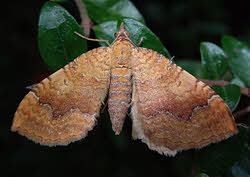 Yellow-tail forewing 15-23mm |
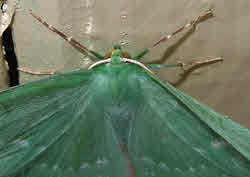 Large Emerald forewing 25-30mm |
 Oak Eggar forewing 25-40mm |
 Garden Tiger forewing 30-35mm |
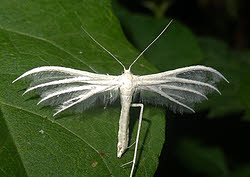 White-plume Moth forewing 12-15mm |
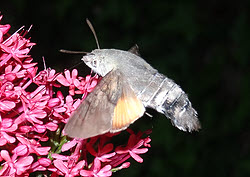 Hummingbird Hawkmoth forewing 20-25mm |
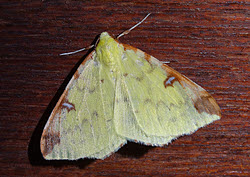 Brimstone Moth forewing 14-21mm |
 Lime-speck Pug forewing 9-11mm |
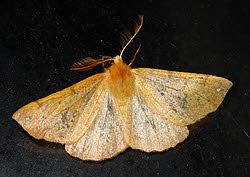 Feathered Thorn Moth forewing 20-25mm |
 Straw Dot forewing 9-12mm |
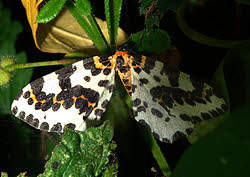 The Magpie forewing 18-25mm |
 Heart and Dart (immature) forewing 15-20mm |
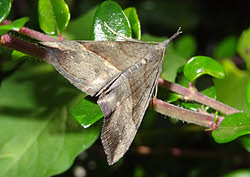 Snout Moth forewing 15-20mm |
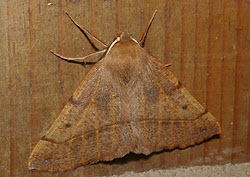 Feathered Thorn forewing 18-23mm |
 Many-plumed Moth forewing 7-8mm |
 The Drinker forewing 20-35mm |
 Common Tubic forewing 7-9mm |
 Blood-vein forewing 15-20mm |
 Copper Underwing forewing 20-25mm |
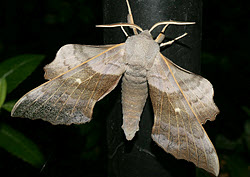 Poplar Hawkmoth forewing 35-40mm |
 Orange Swift forewing 12-14mm |
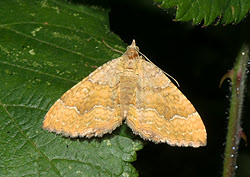 Yellow Shell forewing 12-14mm |
 Barred Straw forewing 15-18mm |
 Catoptria pinella forewing 10-12mm |
 Mother-of-Pearl forewing 15mm |
 Dusky Sallow forewing 15mm |
 Black Arches forewing 18-30mm |
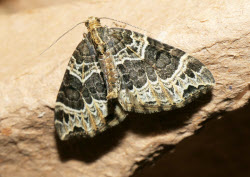 Small Phoenix forewing 12-15mm |
 Red Twin-spot Carpet forewing 10-12mm |
 Angle Shades forewing 20-24mm |
 Straw-barred Pearl forewing 7-10mm |
 Shuttle-shaped Dart forewing 13-15mm |
 Elephant Hawkmoth forewing 30-35mm |
 Elephant Hawkmoth - |
 November Moth forewing 15-20mm |
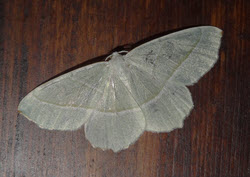 Light Emerald forewing 18-28mm |
 Yellow-legged Clearwing forewing 10-12mm |
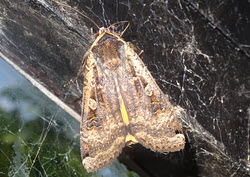 Lunar Yellow Underwing forewing 17-20mm |
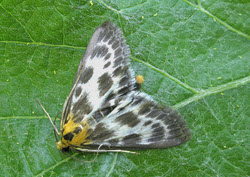 Small Magpie forewing 15mm |
 Small Scallop forewing 12mm |
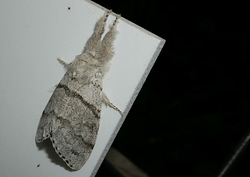 Pale Tussock forewing 20-25mm |
 Muslin Moth forewing 14-18mm |
 Privet Hawkmoth forewing 45-55mm |
BUTTERFLIES
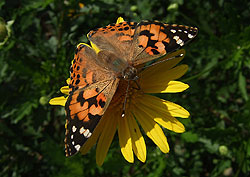 Painted Lady forewing 28-30mm |
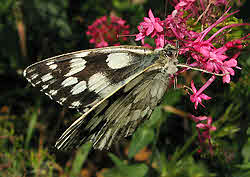 Marbled White forewing 20-30mm |
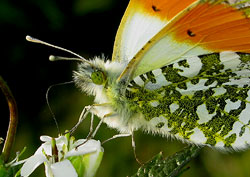 Orange-tip forewing 18-25mm |
 Red Admiral forewing 20-25mm |
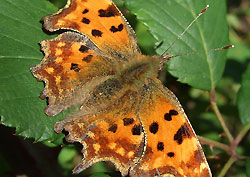 Comma forewing 20-25mm |
 Holly Blue forewing 12-18mm |
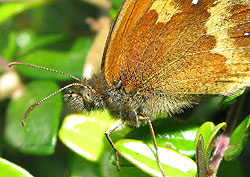 Gatekeeper forewing 17-25mm |
 Peacock forewing 28-30mm |
 Small Skipper forewing 12-16mm |
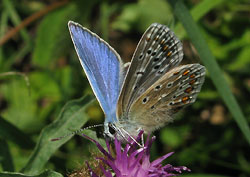 Common Blue forewing 12-18mm |
 White Admiral forewing 25-30mm |
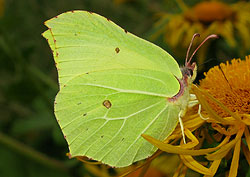 Brimstone forewing 25-40mm |
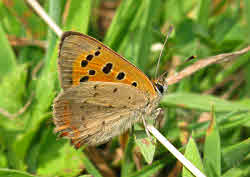 Small Copper forewing 10-18mm |
 Chalkhill Blue forewing 15-20mm |
 Speckled Wood forewing 20-25mm |
 Wall Brown forewing 17-25mm |
 Small White forewing 15-27mm |
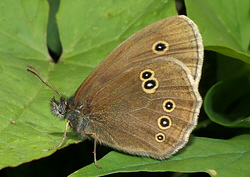 Ringlet forewing 20-25mm |
|
Below are links to our series of brief Insects in Action movie clips. We hope to add to these over time. |


|


|

|
NatureZones retains copyright of images on its website but visitors are free to copy them for private use. Reproduction on noncommercial websites is permitted but images cannot be otherwise reproduced without the express permission of NatureZones.